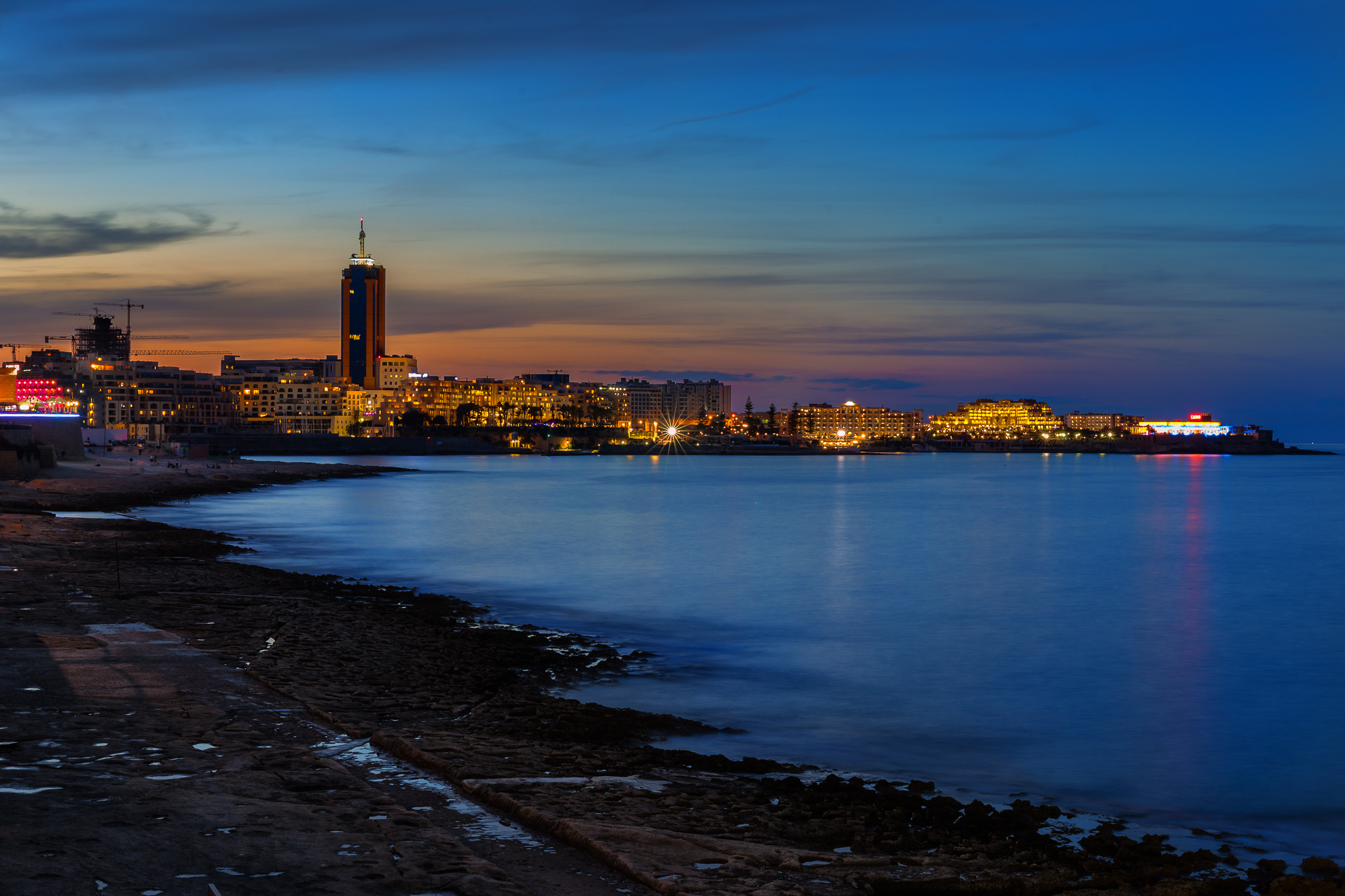
Sliema is located in northeastern Malta, stretching from Msida to St. Julian's. Known as the island's largest commercial hub, it is a favorite destination for both locals and tourists, offering an abundance of restaurants, bars, cafés, and hotels.
From the Sliema Ferries area, you can enjoy a stunning view of Valletta, Malta's capital, and access a wide range of bus routes to explore the island. Alternatively, you can take the ferry to Valletta, which is not only faster but also provides picturesque views along the way.
The Sliema promenade is a vibrant spot where you'll often find people jogging, running, walking, or engaging in activities like cross-fit. It's considered one of Malta's best locations for outdoor sports, thanks to its scenic beauty, rocky beaches, natural pools, and more.
Sliema truly has everything you need for an unforgettable holiday experience. Interestingly, the name "Sliema" translates to "peace," perfectly capturing the tranquil ambiance you'll feel while exploring this charming town.
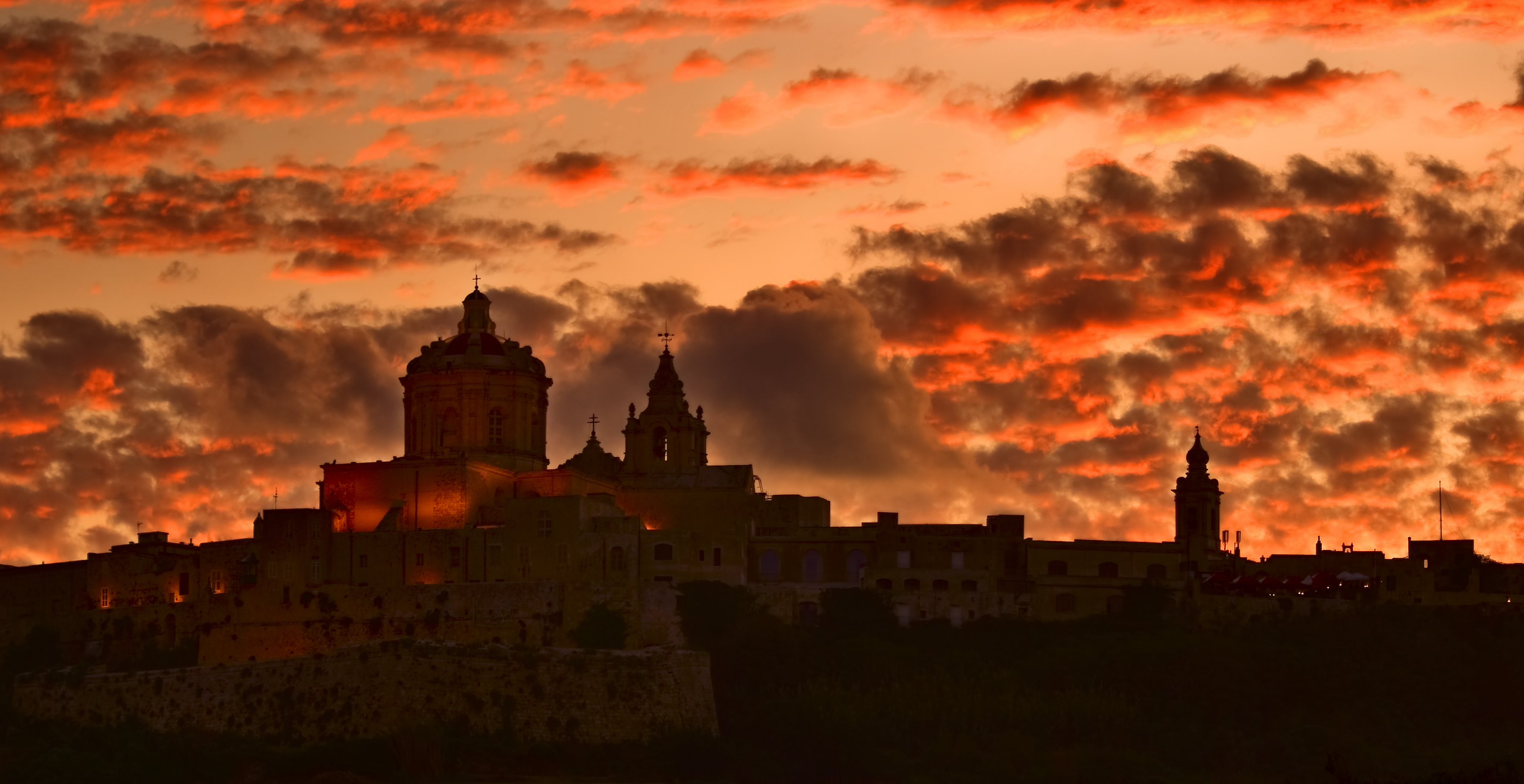
Malta is a small island nation located in the Mediterranean Sea, just south of Sicily, Italy. While the archipelago consists of several islands, only the three largest—Malta, Gozo (Għawdex), and Comino (Kemmuna)—are inhabited.
Despite its modest size, Malta boasts a rich and diverse history, with evidence of human settlement dating back to the Neolithic era (4th millennium BC). The island is home to some of the world's oldest freestanding structures, including the renowned Neolithic temples. Its strategic position and excellent harbors in the Mediterranean have historically made it a coveted location, attracting civilizations such as the Phoenicians, Greeks, Romans, Arabs, Normans, Crusaders, French, and British. Malta remained a British colony until gaining independence in 1964.
The Knights of the Order of St. John, also known as the Knights Hospitallers or Knights of Malta, assumed control of the island in 1530. By 1533, they had established a hospital in Birgu (one of the Three Cities) to care for the sick. In 1565, Malta faced the Great Siege, when Sultan Suleiman the Magnificent of the Ottoman Empire launched an attack with 180 ships and 30,000 troops. Despite being vastly outnumbered, the Knights, alongside 8,000 defenders, successfully repelled the siege. In its aftermath, the Knights founded the fortified city of Valletta, complete with massive stone walls that would later withstand heavy bombing during World War II. By 1575, the Order had established the Grand Hospital, also known as the Sacred Infirmary, to continue their mission of providing care.
In 1798, the French, led by Napoleon, seized Malta without resistance after the Grand Master of the Order surrendered, deeming the island indefensible against the powerful French navy. French rule was short-lived, however, as the British Royal Navy, under Admiral Nelson, forced their surrender in 1800. Malta officially became a British possession in 1814 and remained a loyal ally during both World Wars.
During World War II, Malta's resilience earned it the George Cross, a symbol of bravery that remains a proud feature on the Maltese flag today.
Explore all the great things Malta has to offer!